Expert interview

Beyond visibility: What real transparency looks like in pharmacy benefits

Transparency isn't a product; it's a mindset. See how Optum Rx provides clear visibility into pricing, clinical care and more. 

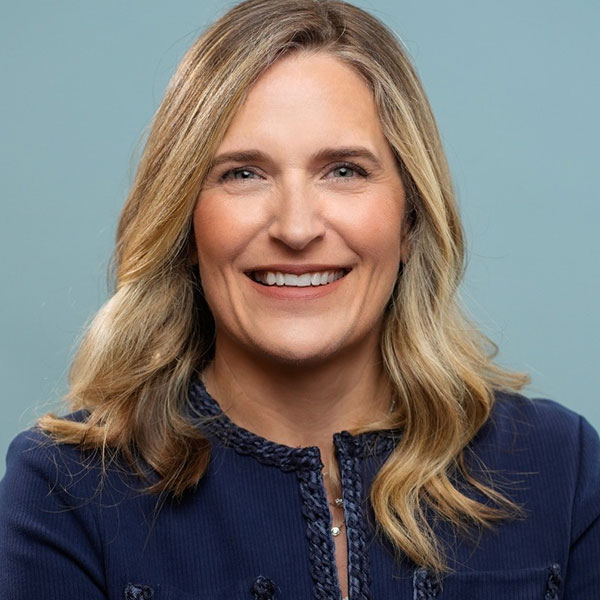
Sarah King, President, Employer Services Division, Optum Rx
Tracy Spencer, Senior Vice President of Strategy, Optum Rx

September 15, 2026 | 6-minute read

In this article

Transparency in pharmacy benefits is essential to helping employers make more informed decisions for their plans and the people they serve. 

In the latest episode of the Optum Rx Pharmacy Insights Podcast, Sarah King, President, Employer Services Division, Optum Rx, and Tracy Spencer, Senior Vice President of Strategy, Optum Rx, examine how true transparency is more than just a buzzword. 

What’s the difference between transparency and disclosure?

Sarah King: There's so much discussion around transparency specific to pharmacy benefits. Tracy, can you talk about how you see transparency and how it is different from simple disclosure?

Tracy Spencer: Transparency is multifaceted. It's really not just about making the information available. It's how we help clients understand what that information means and how decisions are made, and also how those discussions affect their plan members and their trend performance. 

Transparency is how we’ve always done business here at Optum Rx. I'd also say transparency is not just a static moment in time. It really is that overall commitment that will continue to evolve as client needs change and as the market changes. 

The first step is disclosure and visibility. We help clients see and understand what they are paying for. It has to be easy to understand and easily explained to those who don't live and breathe health care every day the way that we do. And it's also about accountability for the commitments that we make to our clients and their members.  

So one of the things that strikes me when I'm thinking about transparency is that it's not just a product, it's not just a service, but it's really a mindset and a commitment.

What is the ultimate goal of transparency?

Sarah: I think you're exactly right, Tracy. And it's one of the reasons why when we are having the conversations we have in the marketplace, this part of the discussion is getting so much traction. 

When I'm talking to customers, and I'm sure it's similar when you are as well, we really talk about how transparency is not some new evolution but really the bedrock of who we are as a company and firmly rooted in our values. It is really in our DNA. 

Our goal when we think about transparency is how we can put information or explanations in front of both our clients and the members they cover before they have to question or try to understand it. So transparency is more about us driving real clarity around both how we do business and how we make decisions, versus getting our transparent product.  

Now, in everything we do, we want to drive through a transparency lens so that it really lives up to the expectations our clients and members have of us. It's more than just an economic model. It's more than just a particular product or solution. It's about how we make decisions, how we do our contracting, how we describe or articulate fees and network changes so that it's very clear and easy to understand, regardless of who we're talking to. 

When we have this conversation, most of the time it’s with our clients as they're trying to understand pharmacy benefits and ensure they're making the right decisions for the people that they serve.

But it’s also, how do we make it easier for consumers? Many times, we talk about those consumers as our members, as well as the providers who are prescribing benefits for them. What are your thoughts as it relates to transparency for those constituents that we serve?

The tools that Optum Rx bring to the table

Tracy: It really goes back to information and data and how that can be used for patients and providers to make decisions. At Optum Rx, we have tools and solutions that we have built that help members understand their lower-cost options or what their opportunities may be. We help providers see cost information at the point of prescribing, which really makes our commitments to transparency actionable.  

In my mind, it really isn't about just making the benefit easier to explain, but it's easier to navigate and actually obtain and access care. Our suite of tools involves real-time visibility into pricing, pharmacy options and delivery choices for the members. 

If you look at our PreCheck tools, for example PreCheck MyScript, we really were the pioneers of providing providers real-time cost information on drugs at the point that they were prescribing. Imagine where the patient is sitting in their office and there's information at the provider's fingertips related to what that drug is going to cost that patient. 

Sarah, one other area where transparency becomes real and really differentiated is in clinical. We have a clinical foundation of our organization. Can you share more information about how transparency plays into our clinical decision-making?

How transparency affects clinical decisions

Sarah: It's a great point, Tracy. When we step back and think about clinical, one of the things that we're really proud of at Optum Rx is the fact that we are a clinical-first organization. And that resonates with clients. They really want to understand whether you are making clinical decisions that are the right choice from a physician's perspective and deciding what's the right medication for a patient, or if you are making decisions based on a financial priority.  

So, the visibility into how we make clinical decisions is critical. It helps clients understand the rationale behind both our overarching clinical programs, but also how we make decisions around how drugs are listed on a formulary or other utilization type decisions or programs that we might make available for clients. 

One of the things that I love talking about is our independent P&T committee. For those that are not familiar, P&T is a pharmacy and therapeutics committee. What we mean by independent is that it's made up of outside experts that are evaluating various drugs that are coming to market or are already available, in order to just look at the pure clinical effectiveness of that drug. 

The way that it works here at Optum Rx is the P&T reviews those drugs in order to determine what's the right clinical decision as it relates to that drug, purely on the clinical evidence that's been provided. They are not looking at any financial information whatsoever. 

We also make the P&T process fully available for our clients to come and observe. Our clients love hearing about and seeing it firsthand because it gives them confidence that Optum Rx is really living out that “clinical-first” priority in our organization.  

What does ‘trust but verify’ really mean?

Sarah: So, Tracy, one of the other things we hear is around transparency is “trust but verify.” How should employers be thinking about trusting but verifying whether they have or are considering transparency arrangements with partners they might be working with?

Tracy: That's a great question, Sarah. I've been doing this for a really long time, and I've seen where many can claim transparency related to pharmacy benefits. And just to be clear, transparency does not necessarily equate to lower costs, but what employers should be looking at is making sure that they have visibility into how those decisions are made. 

The question is what information clients have available in order to make their plan decisions. Are they making sure that they've got a good understanding of how the economics work, where the dollars flow and how their trend is being managed over time? 

Transparency doesn't mean anything if it can't be verified. And so how can organizations really demonstrate that? Audit rights are a central part of our Optum Rx transparency commitment. Imagine manufacturer contracts, pharmacy arrangements, etc. We allow clients multiple mechanisms in order to validate the commitments that we have made to them and how they're being delivered, not just at a static moment in time, but ongoing throughout the life of the contract. 

Conclusion

Sarah: Great, great points, Tracy. I think the takeaway is that transparency is not just about more information. It's having the visibility to really understand how to make better decisions and have a better foundation for a strong relationship with your partners to effectively manage pharmacy benefits together. 


Related healthcare insights

Article

Optum Rx is reinventing the PBM model

Fixed pricing, predictability and real-time visibility into medication costs are the core of the new Optum Rx PBM model.

Article

Smarter, simpler pharmacy support with AI: An expert interview

In our latest podcast episode, hear our AI experts explore how real-time AI insights help members make more informed pharmacy care decisions.

Article

1-stop PBM or multiple vendors?

Pros and cons to consider before distributing your PBM services among multiple vendors