With the new application up and running, the focus shifted to stabilizing the system, including facilitating operational readiness for more than 500 customer service representatives. The team:
- Processed applications, verifications and collected supporting documentation
- Implemented a data entry tool, including staff training
- Reduced manual application processing time from 120 minutes per application to 27 minutes
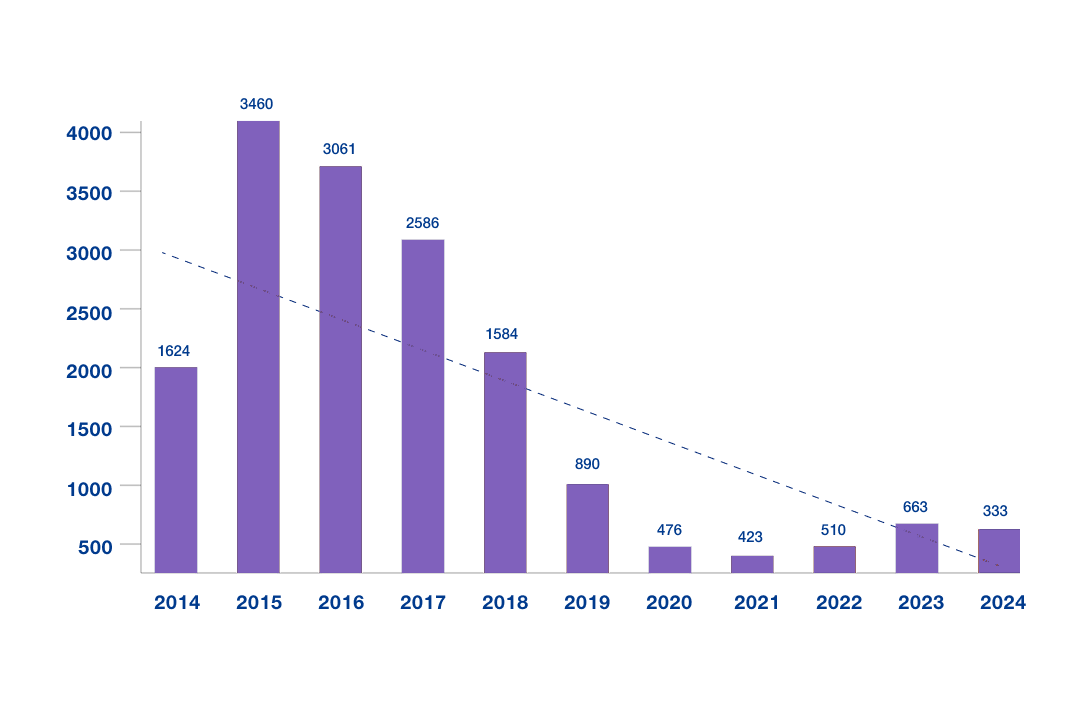
When Optum began the engagement, content was developed quickly and there was a high number of defects in the system. Over time, defect remediation has decreased the defects to a standard that surpasses industry expectations.
The state’s accessibility requirements make IT solutions accessible to people with disabilities. These requirements are based on the Enterprise Information Technology Accessibility Policy (EITAP) and are even more stringent than the federal requirements which are based on the Americans with Disabilities Act (ADA).
When Optum began working with the state, our product had a high number of accessibility-related issues. With two years to resolve them, a dedicated scrum team was formed with subject matter knowledge to address the issues. The team met the deadline, and there are now virtually no accessibility defects — rare in any state environment.
Beyond correcting defects as quickly as possible using a dedicated team, Optum partnered with the state to build accessibility best practices into the requirement phase of its solutions to avoid future issues. In addition, Optum helped mature the state’s Center of Excellence by implementing accessibility best practices. This helped guide the solution design toward compliance.
Achieving a fully stable system also meant cultivating trust within the partnership. Optum established a relationship that went beyond vendor and buyer. By engaging the right team members, those with in-depth knowledge and accountability, using clear and efficient communication drove the delivery of a quality solution. In addition to logging issues and providing demonstrations, Optum facilitated the state's leadership to socialize progress, including positive defect trends, with full confidence.
By carefully building a strong relationship, confidence between the state and Optum has established a lasting trust. When the state had questions, they were reassured, the right people with the right answers - specific to the area of focus - were available.