Article

Strong bonds begin with genuine empathy

A home infusion nurse provides compassion on a personal level.

8-minute read

In this article

Neuropathy, or nerve damage that causes pain, weakness and numbness in the body, can be debilitating. Sometimes people experience tingling, burning or electric-shock sensations. Sometimes they lose movement or function of affected body parts.1 Peripheral neuropathy is often a common complication for people with rheumatoid arthritis (RA).2

People living with conditions like neuropathy or RA that require infusion treatments often face multiple challenges. Getting to a hospital or doctor’s office means making transportation arrangements, navigating parking and stairs, noisy waiting rooms and more — which adds stress to an already difficult reality.

That’s why having the option of getting infusion treatments at home can be a gamechanger. People are more comfortable and can go about their daily life, so therapy is less disruptive. In this article, we hear how one Optum® Infusion Pharmacy patient formed a lasting bond with her nurse. The nurse’s deep understanding of her patient’s clinical and lifestyle needs transformed treatment into an authentic connection.

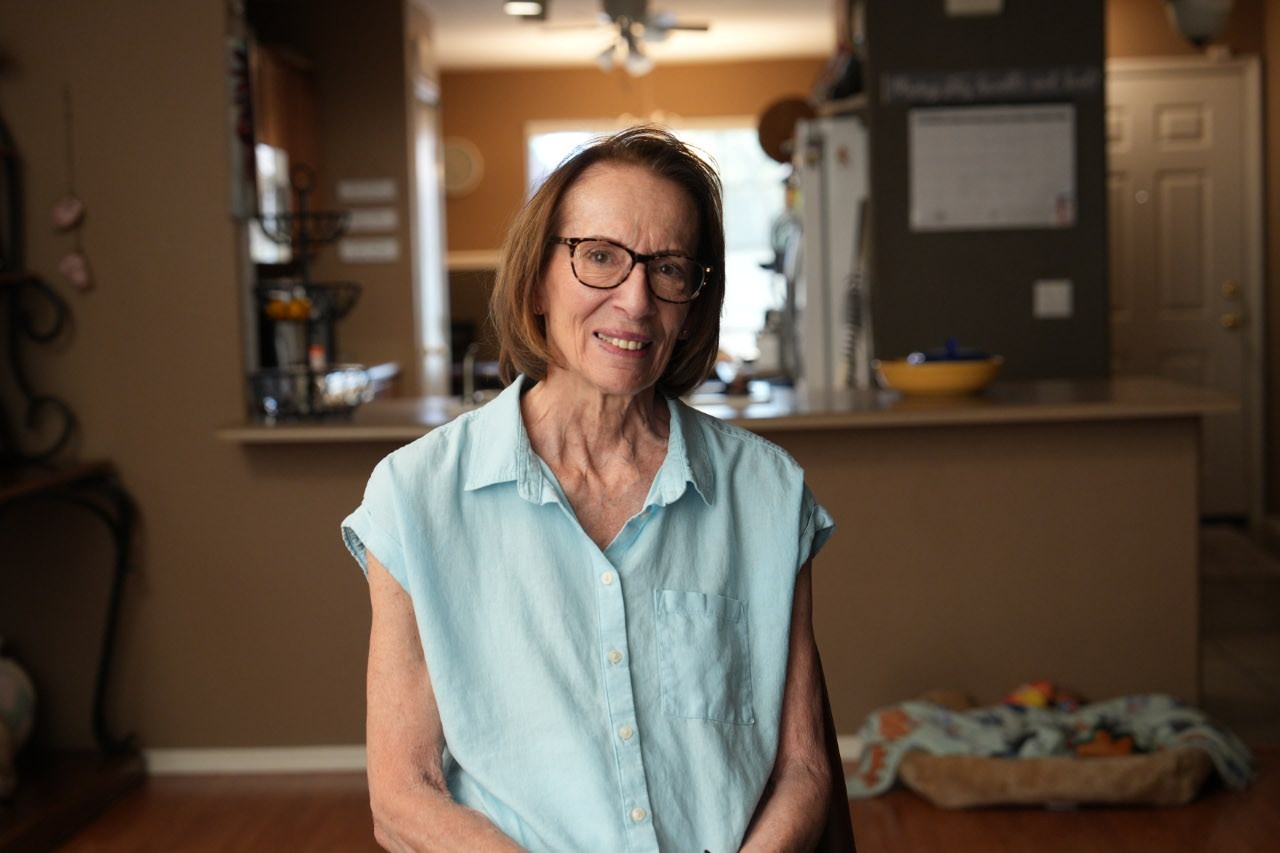
Meet Linda

Linda, age 74, was diagnosed with peritonitis when she was 20 and has lived with an ostomy bag since then. She has been getting intravenous immunoglobulin (IVIG) to treat her neuropathy and rheumatoid arthritis (RA) for several years.

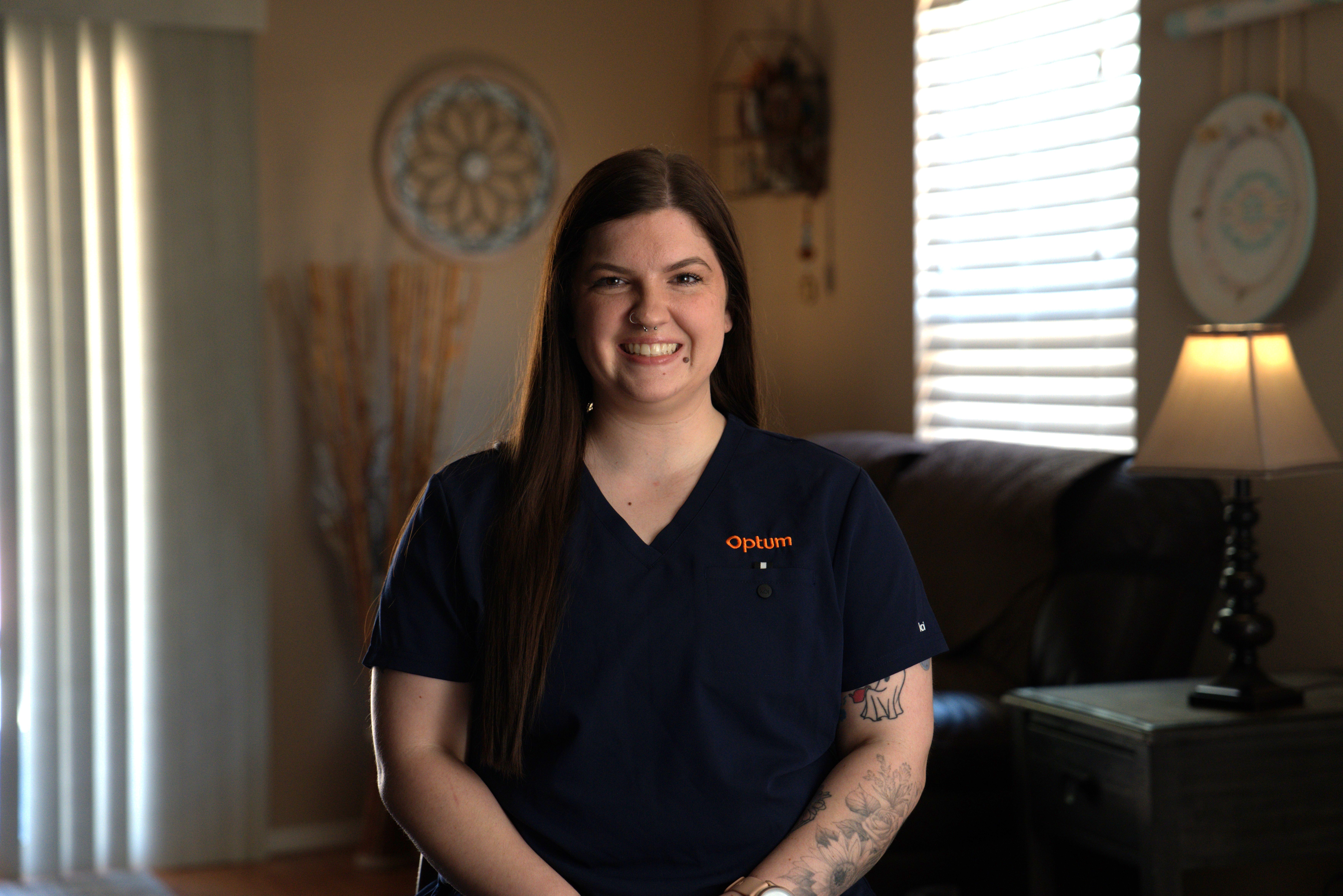
Meet Sierra

Sierra Heap has been an infusion nurse for 5 years and has been working for Optum Infusion Pharmacy in Chandler, AZ, for 4 years. Many of Sierra’s patients have compromised immune systems; IVIG helps boost their immune system so they're not constantly getting sick. She also sees patients with neuropathy. IVIG provides effective neuropathy pain relief while also improving RA symptoms.

“I absolutely love doing home infusions and being able to bring patients their treatment to the comfort of their home,” she says. “I love being able to help people, especially when they're at their time of need during some of the hardest moments in their life.”

Linda was just 20 years old when she started having health issues. For decades, it was challenging to get adequate nutrition and fluids. If she got dehydrated, she would end up in the emergency room overnight. When she started getting hydration at a clinic 1–3 times a week, she began to feel better. But vitamin deficiencies can sometimes lead to neuropathy. “Because of my malnutrition and not being able to be healthy and get the nutrients and what I need to fight things in my system, the neuropathy in my feet and rheumatoid arthritis in my body progressed over the last 10 years.”

The comfort and convenience of home infusion

Because Linda was so thin and her veins were so weak, she had a port inserted. “I don't have to get up and go sit in a room and freeze under the air conditioning and hard tables,” she said. “I had my port done and that’s when the nurses were introduced, which really changed my life.”

When people get the treatment at home, they retain their freedom and quality of life. “You can take a nap or use the restroom in your own home,” says Sierra. “You can still do your routine while also getting the treatment you need. So, it's not as much of an abrupt stop in your life to get medical help.”

To address the neuropathy, inflammation and swelling, Sierra provides IVIG treatments every 3 weeks. “When I get here, I do a quick head-to-toe assessment,” says Sierra. “I want to make sure that before we even start the infusion, she’s in a good place medically.”

Sierra checks Linda’s port to make sure it’s working properly and checks her vital signs such as blood pressure, temperature and hydration. She fills out a questionnaire that can help inform doctors if there are any issues right away. Because Sierra spends significant time with Linda and has clinical knowledge of her condition and treatment, she can quickly alert Linda’s providers if anything needs attention — helping to bolster their own clinical monitoring. Once everything is in order, they get started.

“I look forward to my IVIG with Sierra,” says Linda. “We usually start early in the morning. Sierra accesses the port and monitors it all day. The IVIG treatment gives me some nourishment as well as pain relief.” Even though the treatments take 6–9 hours, Linda is mobile and can go about her day. That’s important because Linda is the primary caregiver for her elderly parents who live in the home too.

Sierra and Linda have built a familial relationship that goes beyond just delivering medication, which makes infusion days easier for everyone. “After lunch, we will sit and we'll play cribbage for a few hours,” says Sierra. “I like to include her parents and we get extremely competitive.”

“My mom and dad just love her, she’s like part of the family,” says Linda. “We play cribbage until the infusion is done. It's a great time for myself, but also for my parents. She includes them in everything and that means a lot.”

Getting financial aid made treatment possible

Medical complexities often come with an enormous price tag — and all too often, people struggle to even pay their copays. Linda’s infusion treatments are expensive. So, she called an Optum representative to see if she could get the financial support she needed.

“He was another Optum hero for me,” says Linda. “When he told me the infusions were $8,000 a month, I told him that wouldn’t work.” He didn’t give up. He went through the process and submitted paperwork. After they received the referral, he told her the copay would be $3,000, which was still too much.

Optum continued to work with Linda and her doctor, connecting them to third-party financial options that significantly decreased Linda’s monthly payment. Together, they made Linda’s treatment feasible for her.

Proactive care relieves treatment stress

People living with complex conditions are already dealing with a lot of strain, so Optum Infusion Pharmacy provides all the supplies. “We bring everything, so the patients don't have to stress about getting their medications or what supplies they need,” says Sierra.

The medication is always pre-ordered and ready to go. “By checking the delivery ticket and having it already at the house, I'm able to just come in and get it started right away,” says Sierra. “That's peace of mind and ease for me and my patients.” It’s also peace of mind for providers because they know their patients are getting the treatments as prescribed.

Sierra is more than a nurse. She’s also an advocate. “I get them the support they need, I’m in their corner, especially if they don't have a lot of people to rely on,” says Sierra. “I like being able to make sure my patients are okay and if they need anything, they always know I'm here for them, ready to help.”

Collaborating for a better experience

Optum Infusion Pharmacy looks at the whole picture and seamlessly combines experts from across the care spectrum to deliver care tailored to each unique person.

“We have a huge team in Chandler,” says Sierra. “We have our pharmacy team, delivery team, patient navigator team and nursing team. There is constant communication between us, which is extremely nice and helpful because it just makes the patient experience that much better. Everybody is so collaborative and so supportive of each other.”

That caring approach comes through across all the teams. “Every nurse that's taken care of me through Optum has treated me like family and they don't even know me,” says Linda. Providers know their patients are cared for on a personal level and have access to reliable clinical support.

With pharmacy support 24/7, there's always someone to reach out to. “There's always a pharmacy that knows how to work with you,” says Linda. “My nurses have really educated me on a lot of stuff too. They’ve offered support and provided me with an easier quality of life.”

Working together and coordinating care helps people feel seen, heard and respected. “At Optum Infusion Pharmacy we try to make our patients feel like they are part of our family and we genuinely care,” says Sierra. “I don't want to go into someone’s home and make them think, ‘Oh, I'm just doing my job and I'm leaving.’ I want them to know that, yes, I'm doing my job, but I also deeply care about you and want to make sure that you're getting better in every single aspect.”

Sources

  1. Mayo Clinic. Peripheral Neuropathy. Page updated May 19, 2026. Accessed June 30, 2026.
  2. WebMD. Rheumatoid Arthritis and Neuropathy. Medically reviewed August 20, 2024. Accessed June 30, 2026.