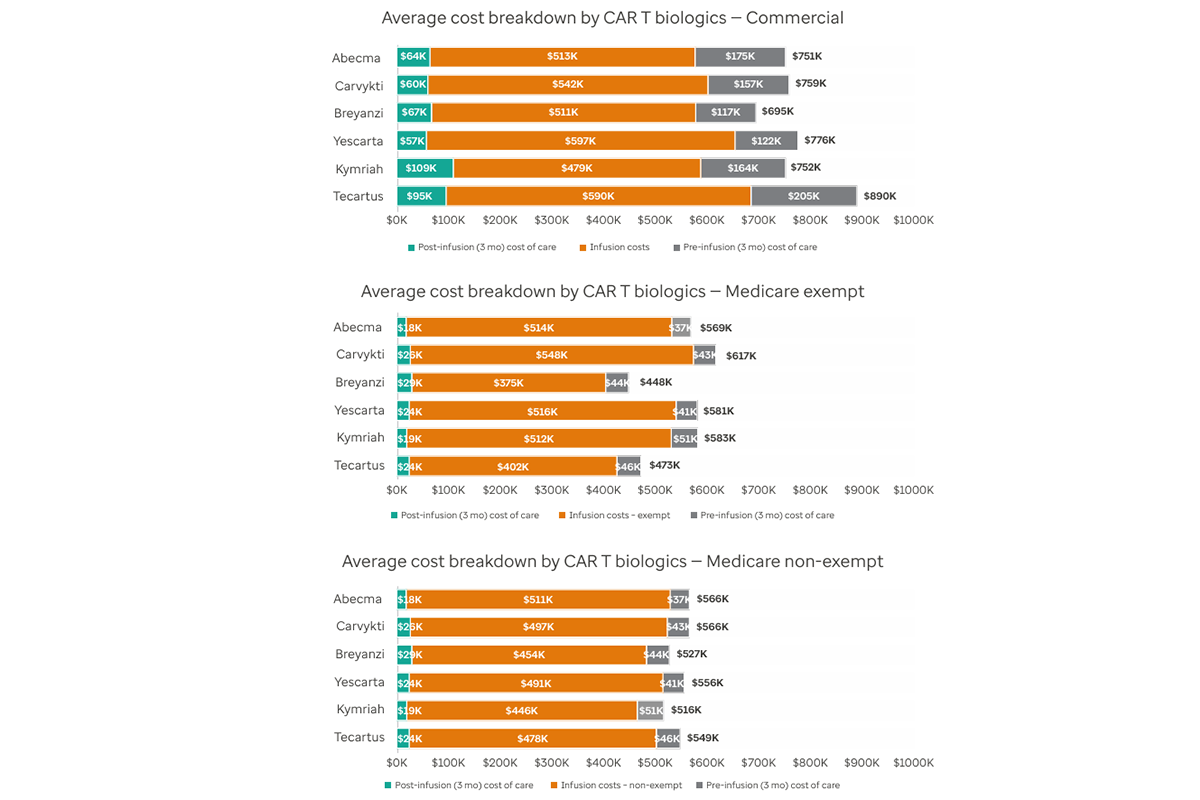
CAR T therapies are primarily used to treat patients with relapsed or refractory hematologic (blood) cancers. These include large B-cell lymphoma (LBCL), multiple myeloma (MM), acute lymphoblastic leukemia (ALL), follicular lymphoma (FL), and mantle cell lymphoma (MCL).
Analyzing CAR T-cell utilization trends provides insight into how these therapies are being adopted across different patient groups and cancer types. This section summarizes the most frequently used CAR T products, variations in use by indication and insurance type and shifts in treatment settings over time. These insights offer important context for interpreting outcomes and costs in subsequent sections.
CAR T product utilization and trends by biologics and indications
The analysis included 6 FDA-approved CAR T biologic products: Yescarta (axicabtageneciloleucel), Breyanzi (lisocabtagene maraleucel), Tecartus (brexucabtagene autoleucel), Kymriah (tisagenlecleucel), Abecma (idecabtagene vicleucel) and Carvykti (ciltacabtageneautoleucel). Each therapy is indicated for specific types of relapsed or refractory blood cancer, with some overlap among indications.
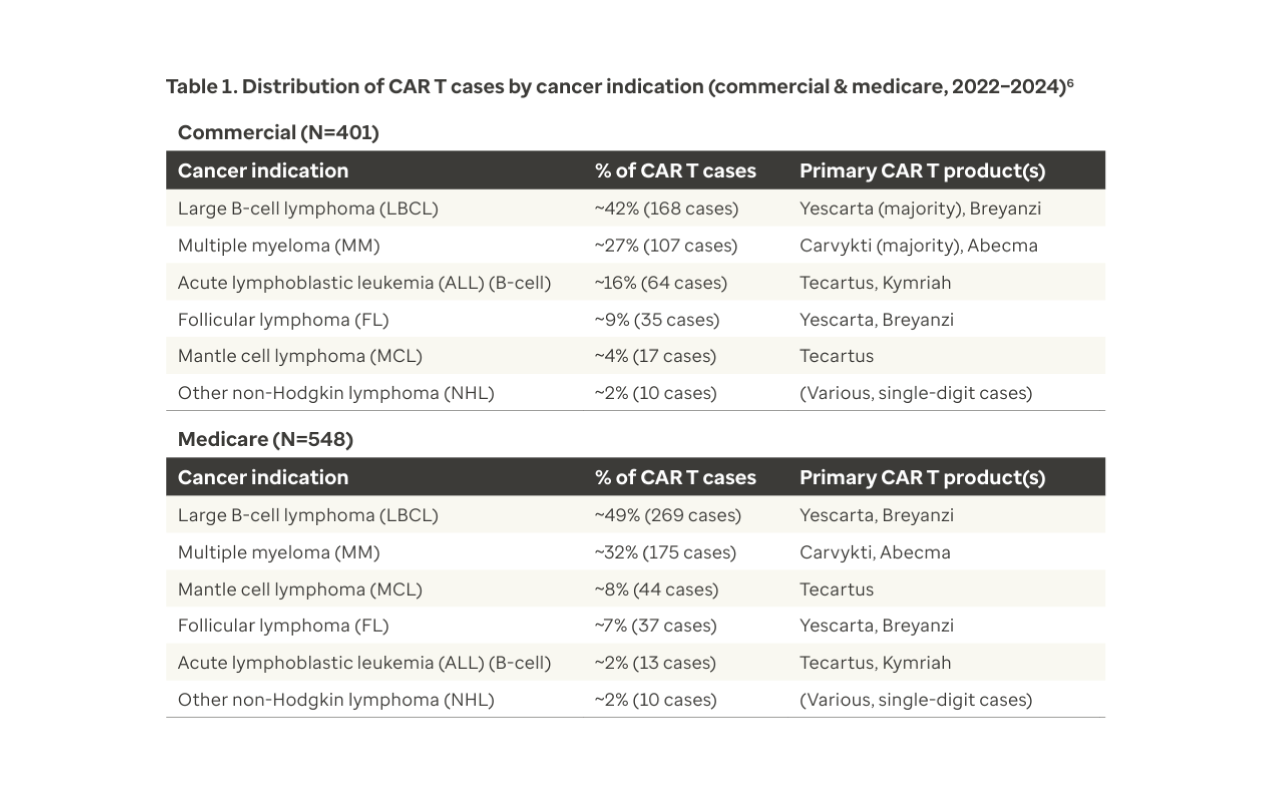
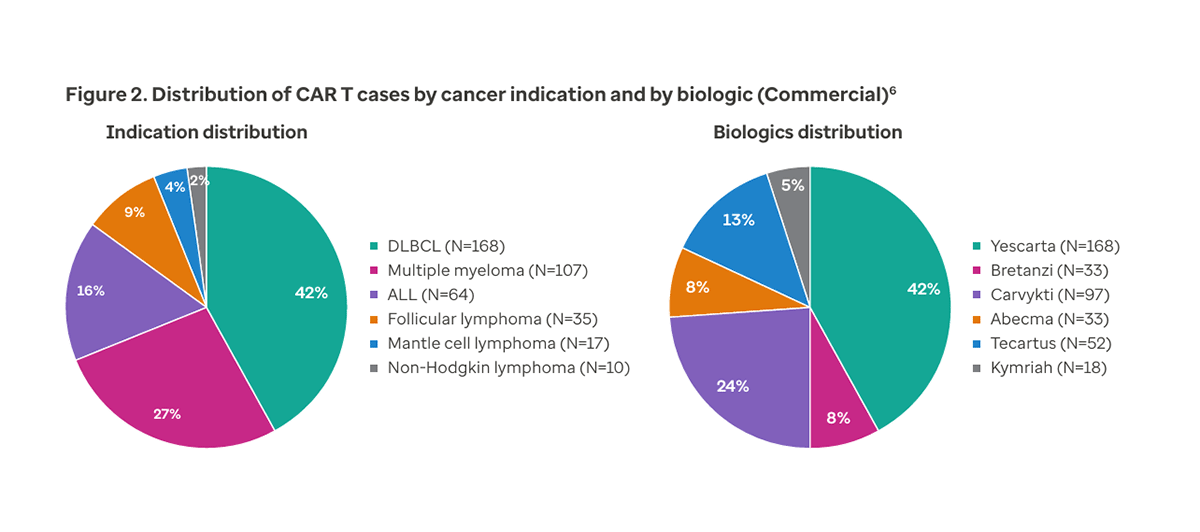
Table 1 shows that large B‑cell lymphoma made up the biggest share of commercial cases (42%). This was followed by multiple myeloma (27%), acute lymphoblastic leukemia (16%), follicular lymphoma (9%) and mantle cell lymphoma (4%).6
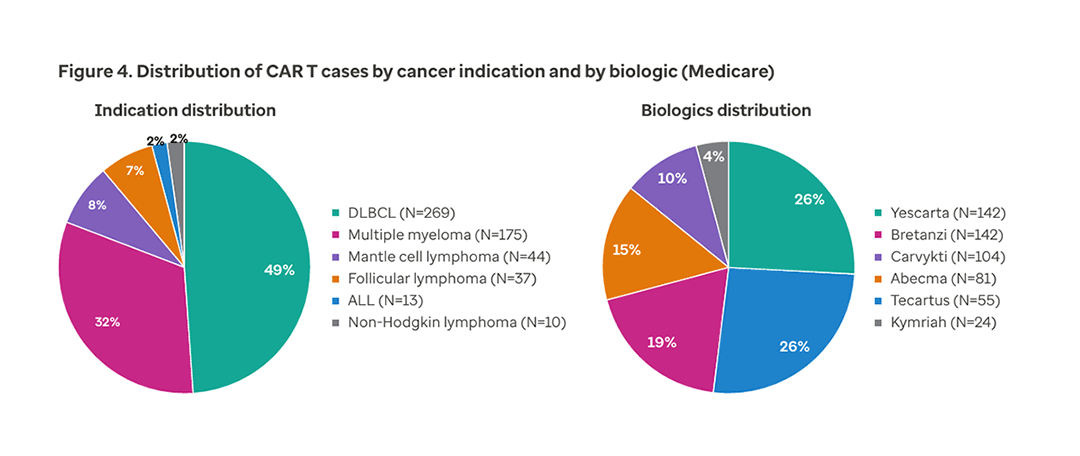
Medicare cases showed a similar pattern, with LBCL and related lymphomas comprising 49% of cases and multiple myeloma representing 32%.6 Notably, the proportion of mantle cell lymphoma was slightly higher in the Medicare population (8%), while follicular lymphoma accounted for 7%.6 Acute lymphoblastic leukemia represented only 2% of Medicare cases, reflecting its lower prevalence among older adults.6
The distribution of CAR T biologic utilization among commercial cases mirrors the breakdown of cancer indications, as illustrated in Figure 2 below. Notably, certain biologics are predominantly prescribed for specific conditions.
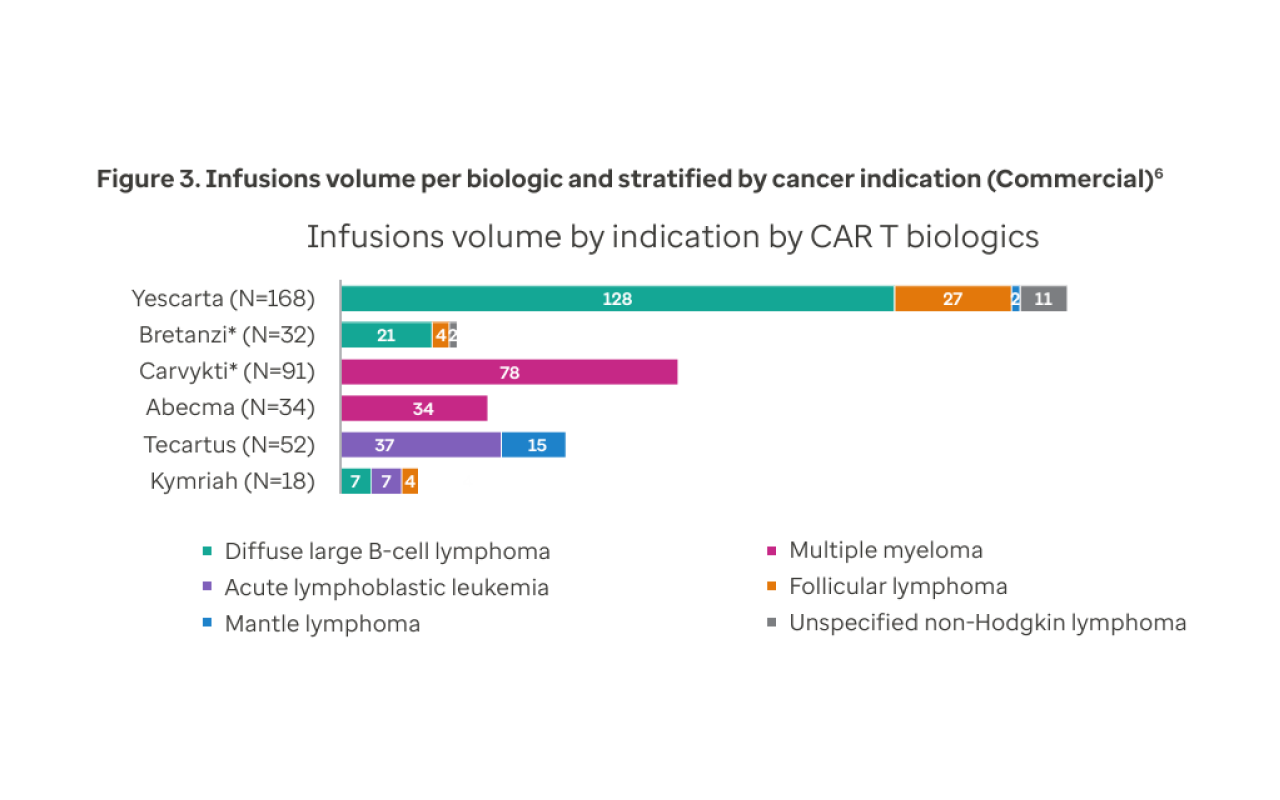
For instance, Yescarta is the leading therapy for large B-cell lymphoma (LBCL), accounting for 128 cases (Figure 3) and representing 42% of all commercial CAR T treatments (Figure 2).6 In contrast, Breyanzi has a smaller share, with only 21 cases.6 This difference may be due to Breyanzi’s later FDA approval for LBCL in February 2021, whereas Yescarta was approved in 2017.
Looking ahead, the proportion of patients receiving Breyanzi for LBCL is expected to increase, as it was approved for second-line treatment in 2022 (as was Yescarta in 2022). There were only 7 diffuse large B-cell lymphoma (DLBCL) cases treated with Kymriah.6 This is because Kymriah remains a third-line option for DLBCL and is primarily used for ALL in younger adult and pediatric patients.
Among patients with multiple myeloma, Carvykti is the most frequently administered biologic (78 cases), followed by Abecma (34 cases). Despite Carvykti’s later FDA approval than that of Abecma, it quickly matched Abecma in terms of utilization volume (Figure 3).6 For acute lymphoblastic leukemia (ALL), Tecartus was used in 37 cases, while Kymriah was used in 7 cases.6 Importantly, Kymriah is the sole therapy approved for ALL in patients under 25 years old, making it the preferred option for pediatric cases (Figure 3).
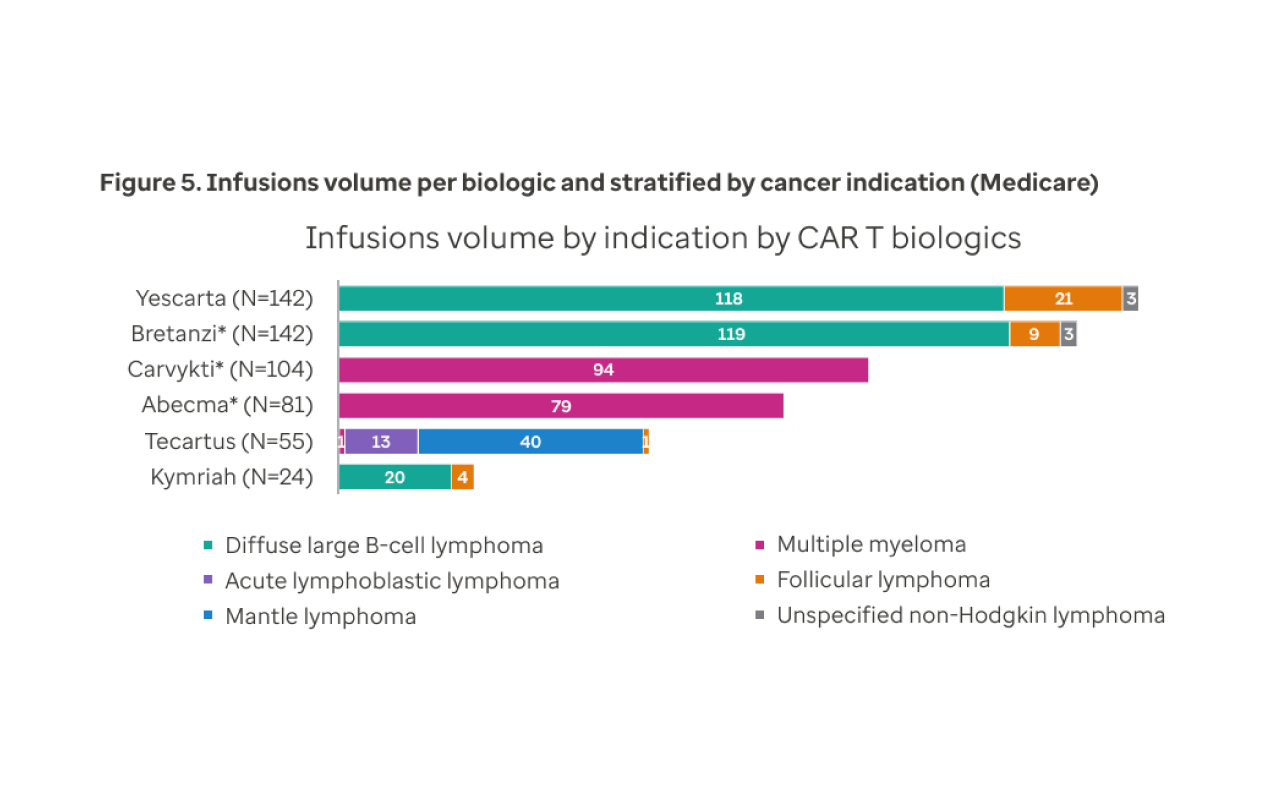
In the Medicare cohort, Yescarta and Breyanzi dominate use, followed by Carvykti and Abecma. Tecartus is limited to mantle cell lymphoma and accounts for 8% of cases. Kymriah is least used — 20 large B-cell lymphoma cases, 4 follicular lymphoma cases and none in ALL — reflecting its primary role in pediatric ALL (Figure 4).
In contrast to the commercial cohort, the Medicare data do not show strong utilization of Yescarta in the treatment of large B-cell lymphoma. Instead, utilization is nearly evenly split between Yescarta (118 cases) and Breyanzi (119 cases), as shown in Figure 5. A similarly balanced pattern appears in multiple myeloma therapies, with Carvykti accounting for 94 cases and Abecma for 79 cases.
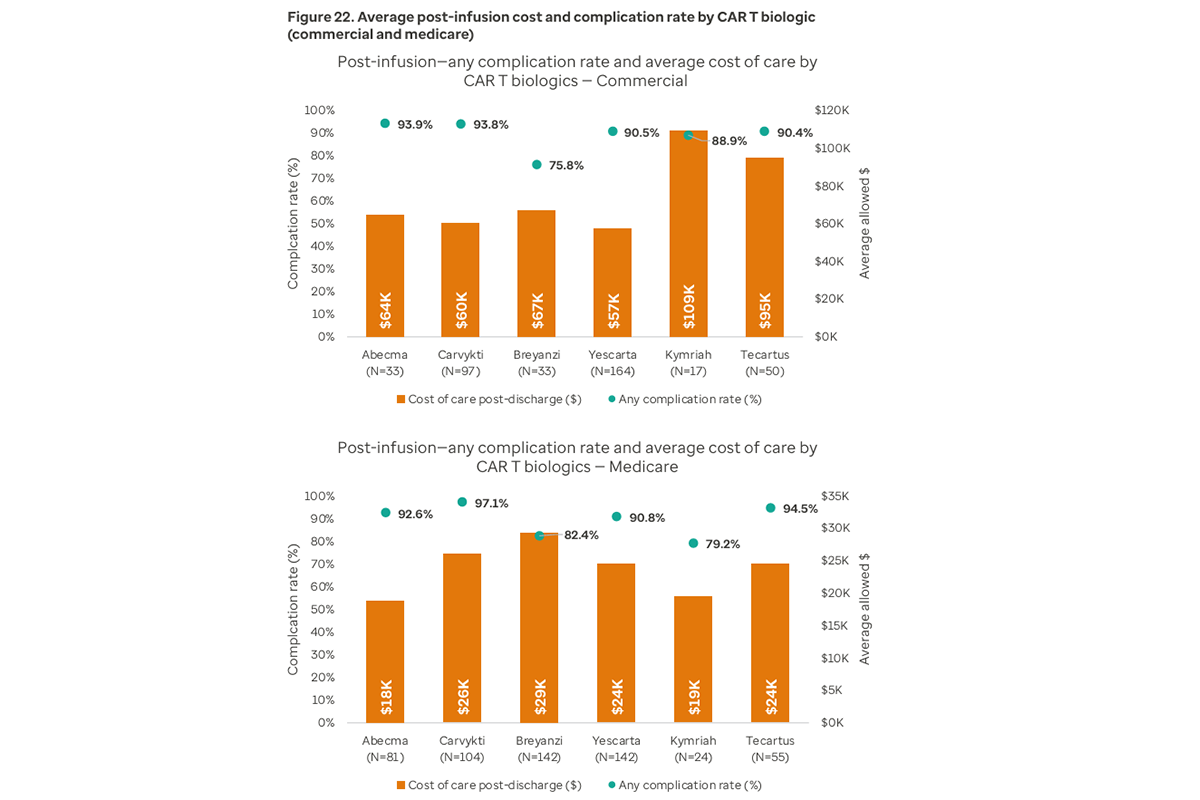
The higher use of Abecma in older populations may be due to its less aggressive toxicity profile post-infusion,7 making it a more suitable option for patients with multiple comorbidities. Overall, Medicare beneficiaries demonstrate a more evenly distributed use of biologic treatments across lymphoma and myeloma indications, whereas commercial cases tend to favor a single product.
CAR T product utilization and trends year-over-year
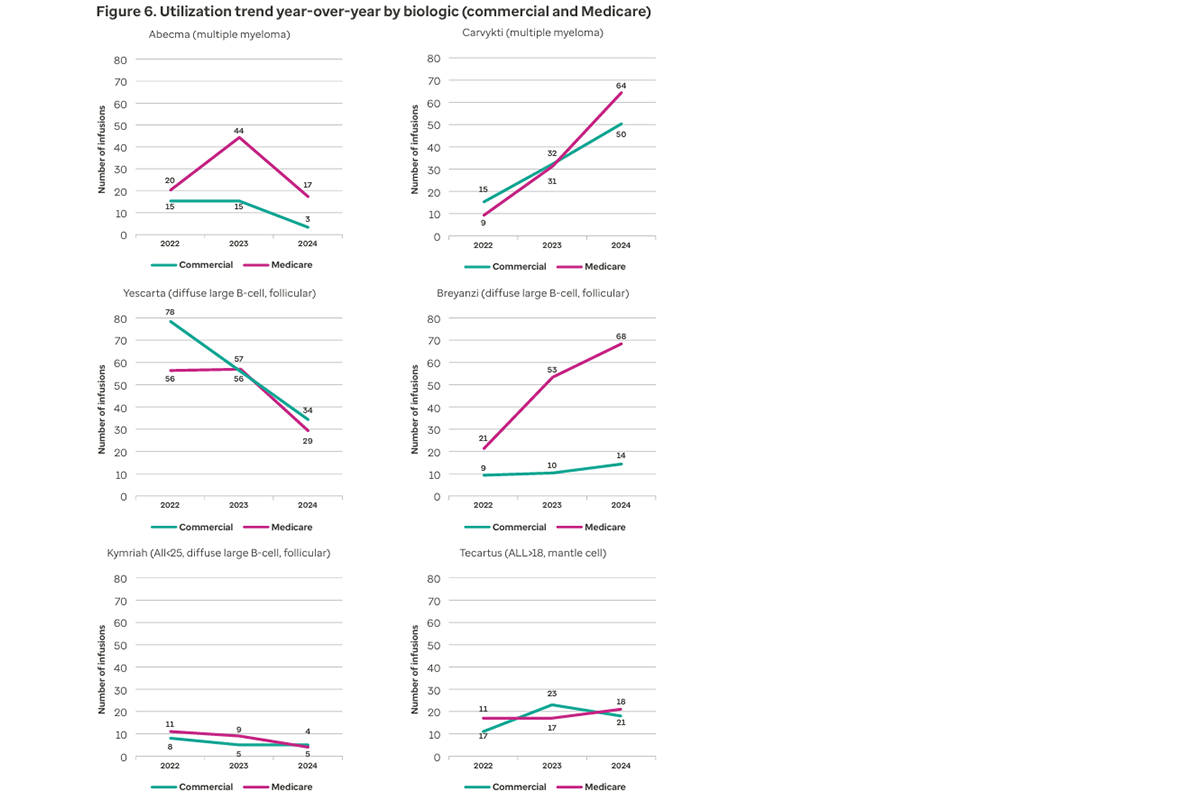
Several notable patterns can be observed. Carvykti usage has consistently increased across both commercial and Medicare populations, while Abecma use for multiple myeloma demonstrated a sharp decline in 2024, falling to one-third of its 2023 volume.
For diffuse large B-cell and follicular lymphoma, Yescarta and Breyanzi remain the leading therapies; however, Yescarta’s usage has decreased by approximately one-third annually, whereas Breyanzi has more than doubled since 2022 — particularly within the Medicare cohort, where it has grown more than threefold.
The increased utilization of Breyanzi in 2024 may be partially attributed to the FDA approval of 3 new indications (follicular lymphoma, chronic lymphocytic leukemia (CLL) and small lymphocytic lymphoma (SLL)) for the product that year. Tecartus and Kymriah continue to have low and stable utilization rates across both populations.
Overall, Medicare trends mirror those observed in the commercial population, but with higher volumes for Abecma and Breyanzi, which significantly influence the combined utilization patterns (Figure 6).
CAR T product utilization and trends by site of treatment (inpatient vs. outpatient)
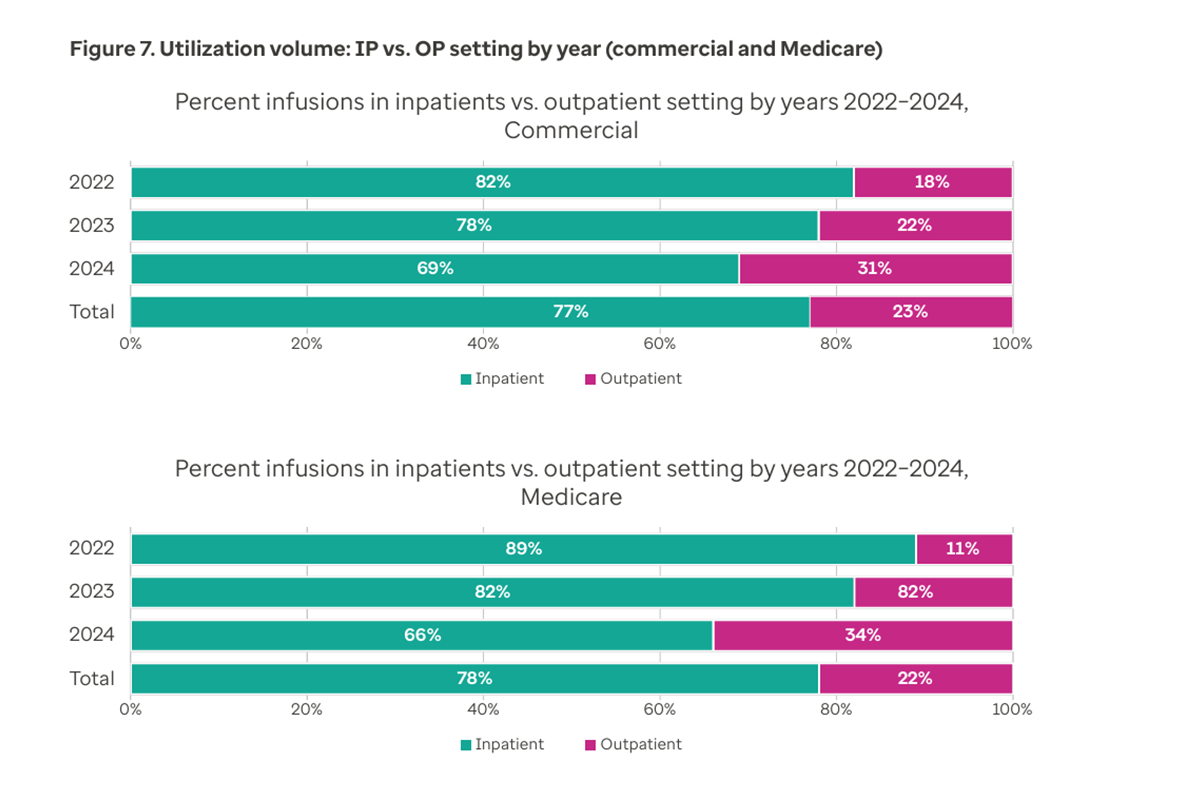
Most CAR T infusions were performed in inpatient hospital settings, reflecting the need for close monitoring due to the potential post-infusion risks such as cytokine release syndrome (CRS) and neurotoxicity. Between 2022 and 2024, 77% of commercial and 78% of Medicare CAR T infusions occurred in inpatient environments.
Notably, the proportion of outpatient infusions has increased steadily, with outpatient cases rising from 18% of all cases in 2022 to 31% of all cases in 2024 in the commercial population and from 11% to 34% in the Medicare population over the same period (Figure 7). Key drivers of the observed shift in care setting may be attributed to a combination of clinical safety progress, supportive policy changes, economic factors and operational benefits.
Advancement in clinical safety
Early CAR T trials mandated inpatient monitoring because of severe acute toxicities like CRS and neurotoxicity (ICANS). In recent years, clinical improvements have made outpatient CAR T much safer and more feasible.
The advent of standardized grading and management guidelines (e.g., ASTCT guidelines for CRS/ICANS), along with wider availability of rescue medications, means serious CAR T side effects can be managed on an outpatient basis with rapid intervention or inpatient transfer when needed. In addition, centers have developed patient selection criteria to triage patients into outpatient versus inpatient pathways. CAR T products approved in recent years tend to have slightly more favorable safety profiles in terms of high-grade CRS frequency.8
Relaxation in regulatory requirements
CMS now allows Medicare coverage of CAR T‑cell therapy in the outpatient hospital setting, provided treatment occurs at an authorized center. CMS established new HCPCS codes and corresponding outpatient payment rates, enabling hospitals to bill for CAR T products through the Hospital Outpatient Prospective Payment System (OPPS).
As of June 2025, the FDA has removed REMS (risk evaluation and mitigation strategy) requirements for all CAR T therapies, recognizing the strong clinical guidelines and the extensive experience of hematology and oncology specialists in managing cytokinerelease syndrome (CRS) and neurologic toxicities.9 It is expected this regulatory change will accelerate the shift toward administering CAR T therapy in outpatient settings.
Economic drivers and operational efficiencies
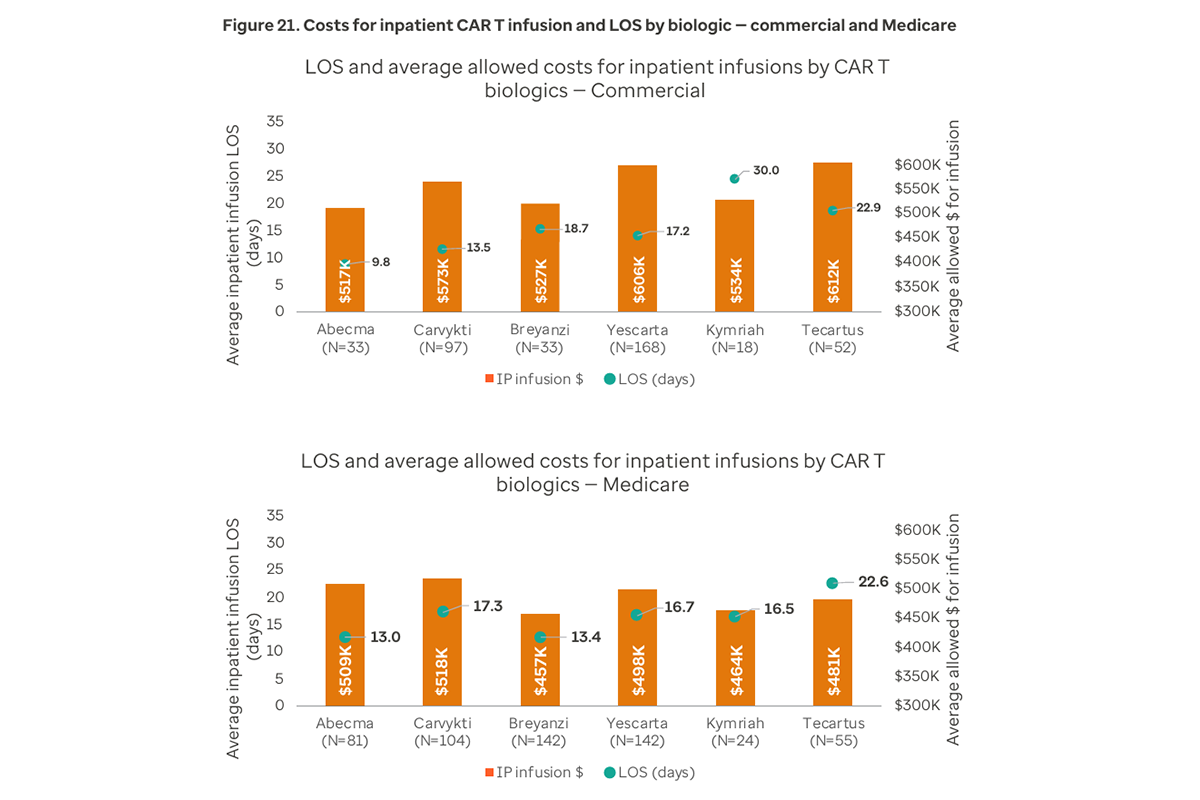
Outpatient CAR T-cell administration is associated with lower delivery costs, generating efficiencies that benefit health plans, hospitals and patients. Compared with inpatient care, outpatient treatment episodes cost significantly less on average, driven by reduced hospitalization rates and shorter lengths of stay.
These reductions lower overall health care resource utilization and ease pressure on limited inpatient bed capacity. Median hospitalization duration for outpatient CAR T-cell administration is approximately 2 to 3 times shorter than for inpatient administration.10
Outpatient CAR T-cell treatment expands system capacity by enabling centers to manage more patients without the need to add inpatient beds. Unlike inpatient care, where a patient may occupy a hospital bed for a week or longer, outpatient infusion typically requires only a few hours of chair time, allowing more efficient use of personnel and facilities.
This shift enables centers to treat a greater number of patients annually using existing resources, improving the economic performance of CAR T programs. These gains are particularly important given the high fixed costs associated with delivering CAR T-cell therapy.
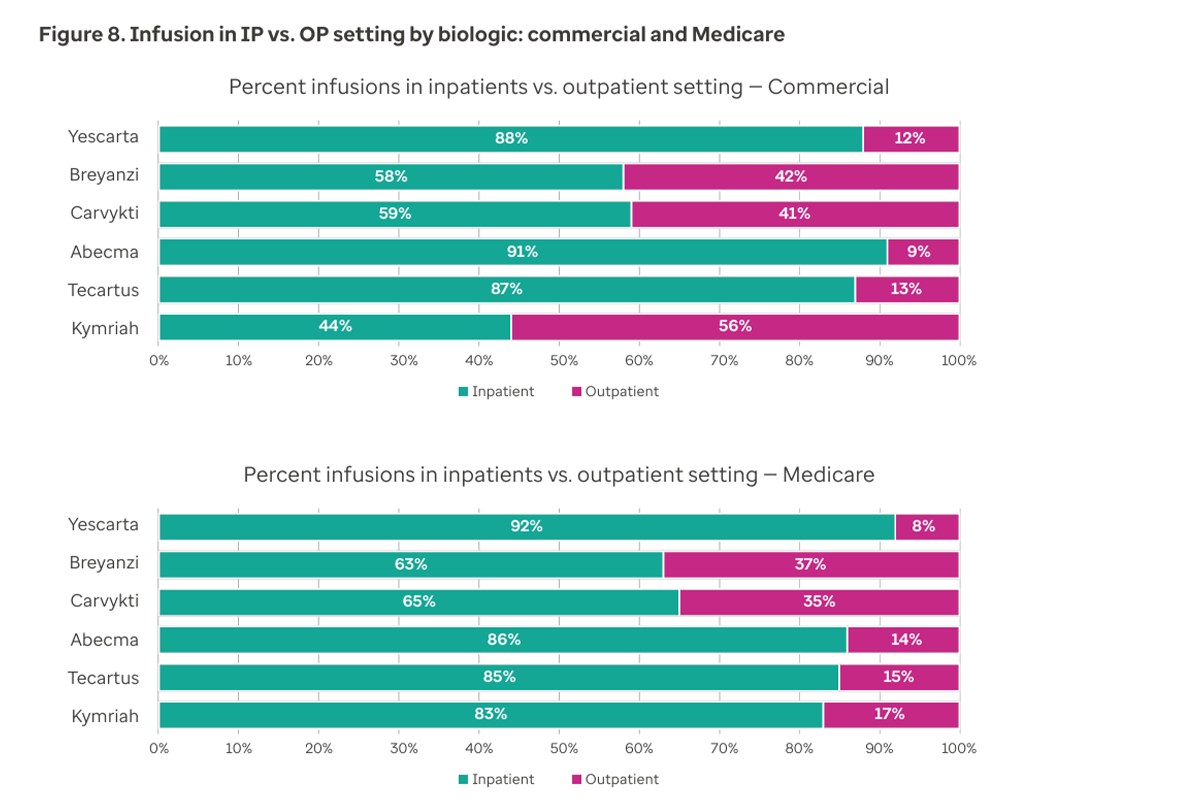
The distribution of treatment sites among CAR T biologics highlights several important trends across indications. For multiple myeloma, more than 41% of commercial members received Carvykti in an outpatient setting, compared with less than 9% for Abecma.
A similar, though less pronounced, pattern was observed in the Medicare population, with 35% of Carvykti infusions administered outpatient versus 14% for Abecma. For large B-cell and follicular lymphomas, Breyanzi was more frequently delivered in outpatient settings — 42% for commercial and 37% for Medicare — while Yescarta was administered outpatient to only 12% of commercial and 8% of Medicare patients.
Tecartus, primarily used for treating mantle cell lymphoma and ALL in adult patients, was predominantly administered in inpatient settings (87% in the commercial group). In contrast, Kymriah, which is indicated for younger ALL patients, was given in outpatient settings 55% of the time among commercial members — a trend not observed in the Medicare population, likely due to differences in age distribution and cancer indications, as Kymriah is used predominantly for lymphomas rather than ALL in Medicare population (Figure 8).
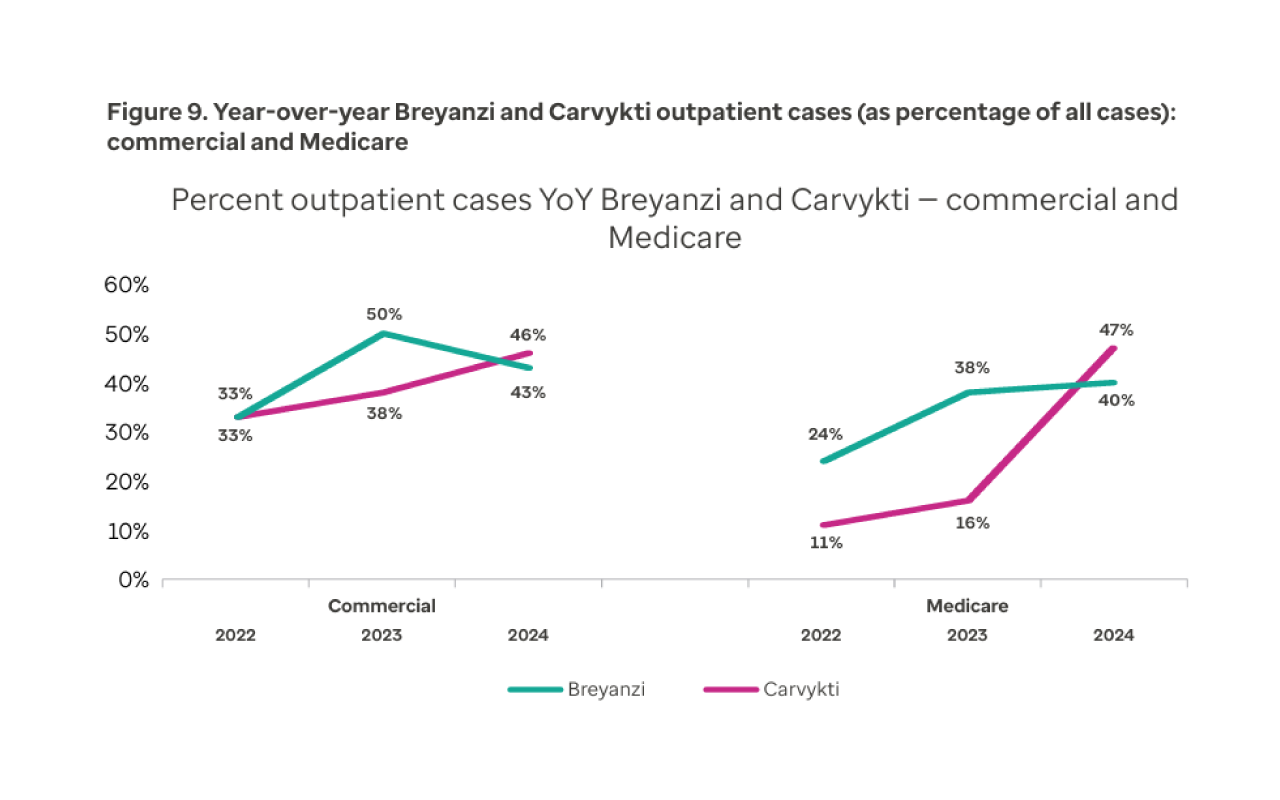
Among biologics with a higher proportion of outpatient infusions, specifically Breyanzi and Carvykti, the percentage of outpatient infusions has generally increased year over year for both commercial and Medicare populations. Although Kymriah also demonstrates higher outpatient utilization, it was excluded from the year-over-year comparison due to its small sample size (fewer than 10 cases per year). Notably, there was a dramatic increase in outpatient infusion cases for Carvykti within the Medicare population in 2024 (Figure 9).